Apple is reportedly working on a smart ring that could significantly advance the field of wearable technology. This innovative device is expected to combine innovative health tracking, intuitive gesture controls, and seamless integration with Apple’s ecosystem. Designed as a discreet and stylish alternative to traditional smartwatches, the Apple Ring aims to deliver robust functionality in a compact, jewelry-like form. Its potential to enhance daily life while maintaining a sleek design could make it a standout in the wearable tech market. The video below from Tech Town gives us more details about the rumored Apple Ring.
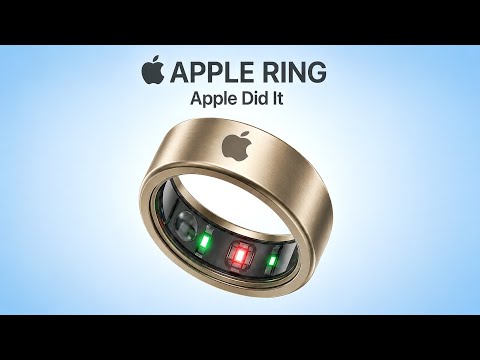
Health Tracking: Advanced Monitoring in a Minimalist Form
Health monitoring is expected to be a cornerstone of the Apple Ring’s functionality. Using Apple’s extensive experience in wearable health technology, the ring is anticipated to track a variety of key health metrics, including:
- Heart Rate: Continuous monitoring for insights into cardiovascular health.
- Body Temperature: Real-time tracking to detect changes that could indicate illness or stress.
- Sleep Patterns: Detailed analysis of sleep quality and duration to promote better rest.
- Daily Activity: Metrics such as steps taken, calories burned, and active minutes.
Its lightweight and unobtrusive design makes it ideal for all-day wear, including during sleep, offering a less intrusive alternative to bulkier devices like smartwatches. For fitness enthusiasts, the ring could also track workouts and recovery, providing actionable insights to optimize performance. By syncing with Apple Health, users would gain a comprehensive view of their well-being across all their Apple devices, making sure a seamless health management experience.
Integration with Apple’s Ecosystem: A Unified Experience
One of the most compelling aspects of the Apple Ring is its potential to integrate effortlessly with Apple’s ecosystem. If you already use Apple products, the ring could serve as an extension of your existing devices, enhancing their functionality in new and intuitive ways. For example:
- Motion Controller for Vision Pro: The ring could enable precise hand gestures for interacting with Apple’s Vision Pro spatial computing device, offering a more immersive experience in virtual environments.
- Smart Home Control: Simple hand motions could allow you to adjust lights, thermostats, or other connected devices, streamlining your interactions with smart home technology.
This seamless integration would make interactions with technology more natural and intuitive, simplifying daily routines and enhancing productivity. By acting as a bridge between the physical and digital worlds, the Apple Ring could redefine how users interact with their devices.
Innovative Features: Usability Meets Convenience
The Apple Ring is expected to introduce a range of innovative features designed to enhance usability and convenience. These features may include:
- Gesture Controls: Users could interact with apps, virtual objects, and smart home devices through simple hand movements. For instance, a swipe could scroll through a document, while a pinch might zoom in on an image.
- Haptic Feedback: Tactile responses could provide physical sensations corresponding to user actions, enhancing immersion in digital environments.
- Voice Input: A built-in microphone could enable hands-free interaction with Siri, allowing quick access to information or commands.
- Rotating Outer Band: A physical navigation feature could allow users to scroll, zoom, or adjust settings with a twist, offering a tactile alternative to touchscreens.
These features aim to make the ring not only functional but also intuitive, catering to a wide range of users, from tech enthusiasts to those new to wearable technology. By prioritizing ease of use, Apple could ensure that the ring appeals to a broad audience.
Design Excellence and Practical Functionality
True to Apple’s reputation for design innovation, the Apple Ring is likely to feature premium materials and a refined aesthetic. Its jewelry-like appearance could appeal to users who value both style and functionality, making it a versatile accessory for various occasions.
Battery life is another area where the ring is expected to excel. By focusing on energy efficiency, Apple could deliver a device with longer battery life than the Apple Watch, reducing the need for frequent charging. This would make the ring a practical choice for everyday use, whether you’re tracking health metrics, controlling smart devices, or interacting with virtual environments.
Future Potential: Expanding the Boundaries of Wearable Tech
The Apple Ring could pave the way for new advancements in wearable technology, offering potential applications that extend beyond its initial capabilities. Future possibilities include:
- Enhanced Spatial Computing: Improved performance in low-light conditions could make the ring even more effective for augmented reality and virtual reality applications.
- Expanded Smart Home Integration: Advanced gesture recognition could set a new standard for controlling connected devices, making smart homes more intuitive and user-friendly.
- Ongoing Ecosystem Evolution: As Apple continues to innovate, the ring could unlock new features and capabilities, further blurring the line between technology and daily life.
By combining advanced functionality with a focus on user convenience, the Apple Ring has the potential to become a cornerstone of Apple’s wearable technology lineup. Its ability to adapt and evolve could ensure its relevance in an ever-changing tech landscape.
Here are additional guides from our expansive article library that you may find useful on the Apple smart ring.
Source & Image Credit: Tech Town
Filed Under: Apple, Gadgets News, Technology News, Top News
Disclosure: Some of our articles include affiliate links. If you buy something through one of these links, Geeky Gadgets may earn an affiliate commission. Learn about our Disclosure Policy.