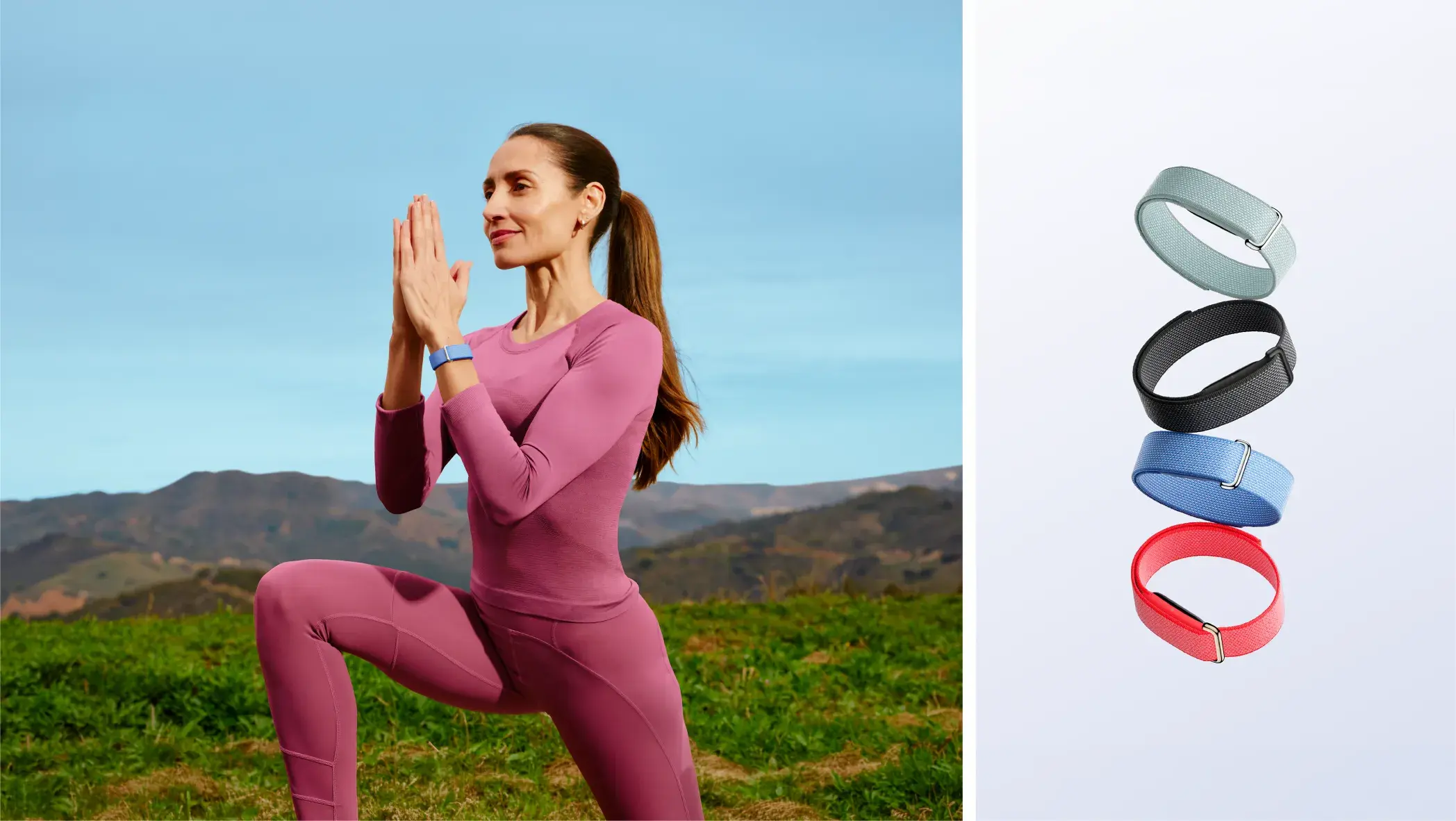
Fitbit Air gets open design blueprints from Google, enabling creators to build accessories and join a certified partner program.
Google has published the physical blueprints for its new wearable tracker so that anyone, “from independent designers and artisan makers to custom accessory brands, can build accessories for the Fitbit Air.”
The Mountain View giant said that certified accessories can receive the official “Made for Google” badge to verify compatibility with Google’s performance requirements.
Certified accessories can also receive the official Made for Google badge to promote their product, designating formal compatibility to Google’s high performance standards with the Fitbit Air.
If you are a brand looking to go through our official certification process and want to be part of our certified partner ecosystem, we’d love to collaborate! We warmly encourage anyone interested in the Made for Google Program to reach out to our team through our contact form here. As an added benefit, Made for Google partners can also engage pre-launch on upcoming devices, for accessory availability at launch.
The three-page PDF houses detailed 2D CAD drawings outlining the exact dimensions of the capsule and the sleeve used for the Performance Loop Band. Engineers designed the pebble to measure exactly 33.5 mm in length and 14.36 mm in width. The document specifies an attachment force of 10 to 25 Newtons, while detaching the module requires 12 to 45 Newtons to keep the screenless tracker secure during vigorous movement.
9To5Google spotted a Google Store page detailing the hardware requirements, advising makers to use “skin-friendly” materials to avoid allergic reactions. The documentation outlines that the optical and SpO2 sensors must remain entirely unobstructed to preserve skin contact. Google recommends designing bands that maintain a steady, gentle pressure of at least 35 mmHg, or 0.68 psi, in the sensing area so the tracker reads heart rate metrics accurately during exercise.
Google officially unveiled the Fitbit Air last month, positioning the device as a direct competitor to the likes of Whoop and Oura. The screenless tracker comes in four colors, including Obsidian, Lavender, Berry, and Fog, and lacks any display to favor a small, lightweight footprint. The device can track things like heart rate, heart rhythm with Afib alerts, SpO2 levels, and detailed sleep stages, while the special Stephen Curry edition, which launched on May 26, adds water resistance.